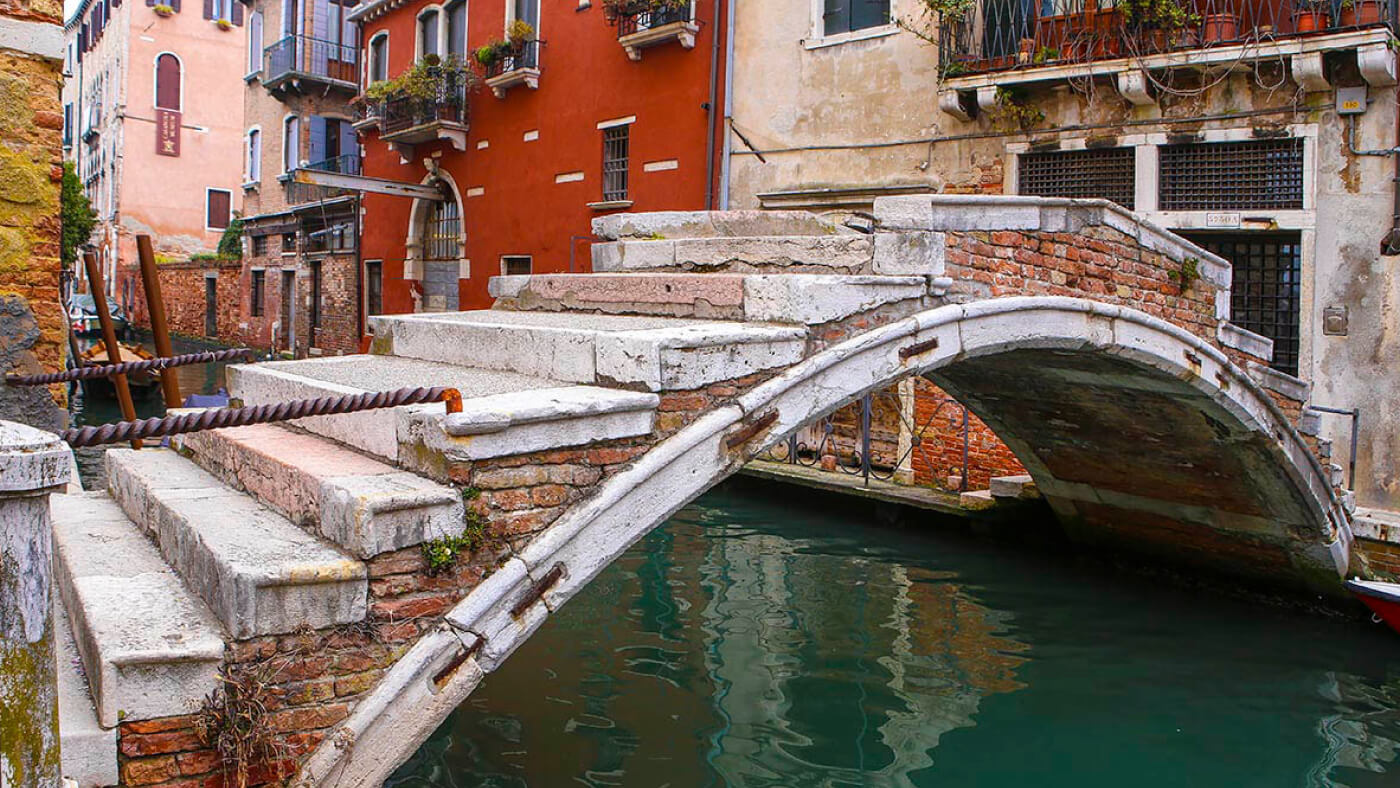
The Venice You Didn’t Expect

Tiny alleyways, hidden courtyards, legends whispered among the stones.
Here begins a journey far from the crowds, where every stop tells a story few have heard — but all are worth discovering.

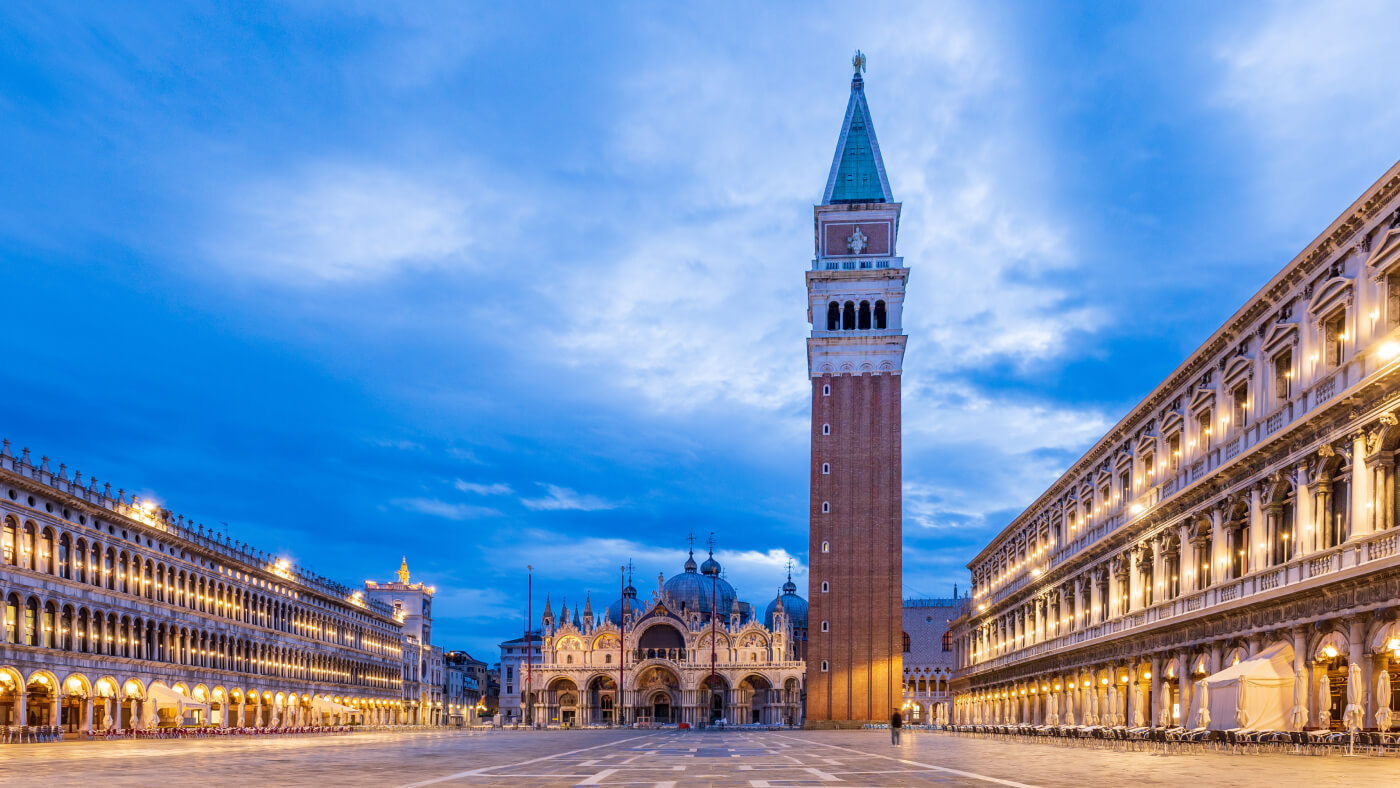
The two pink columns

The spot from which the Doge watched public ceremonies and manifestations in the square, as well as capital executions.

The Black Flag

The city decided that his portrait should be covered by a black veil, on which is written in Latin:
“This was the place of Marino Falier, beheaded for treason.”

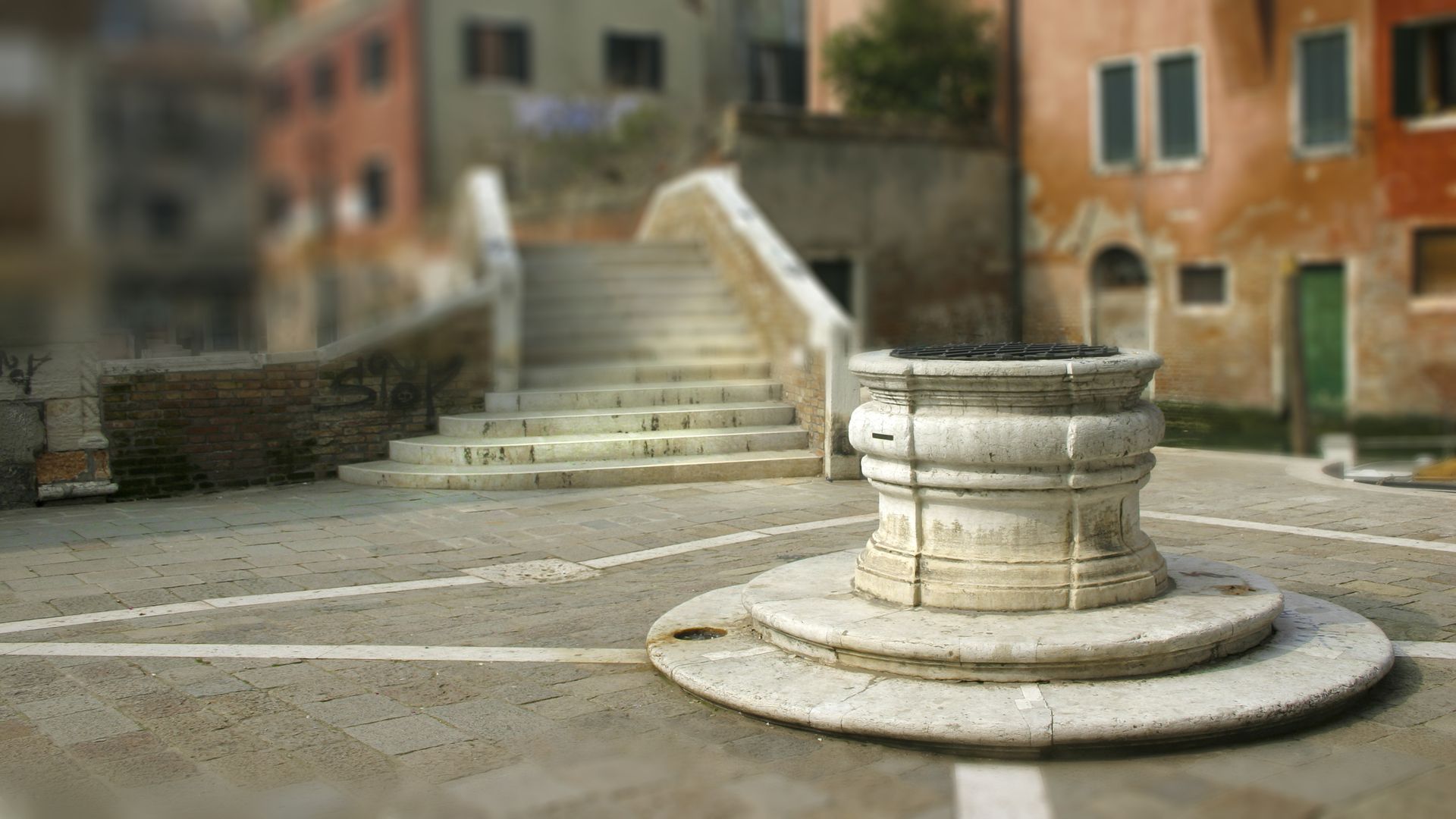
Vere da Pozzo

For centuries, Venice’s wellheads ensured the city’s supply of drinking water.

Fornaretto’s Head

Situated on the upper balustrade at the corner of St. Mark’s Basilica facing the canal.

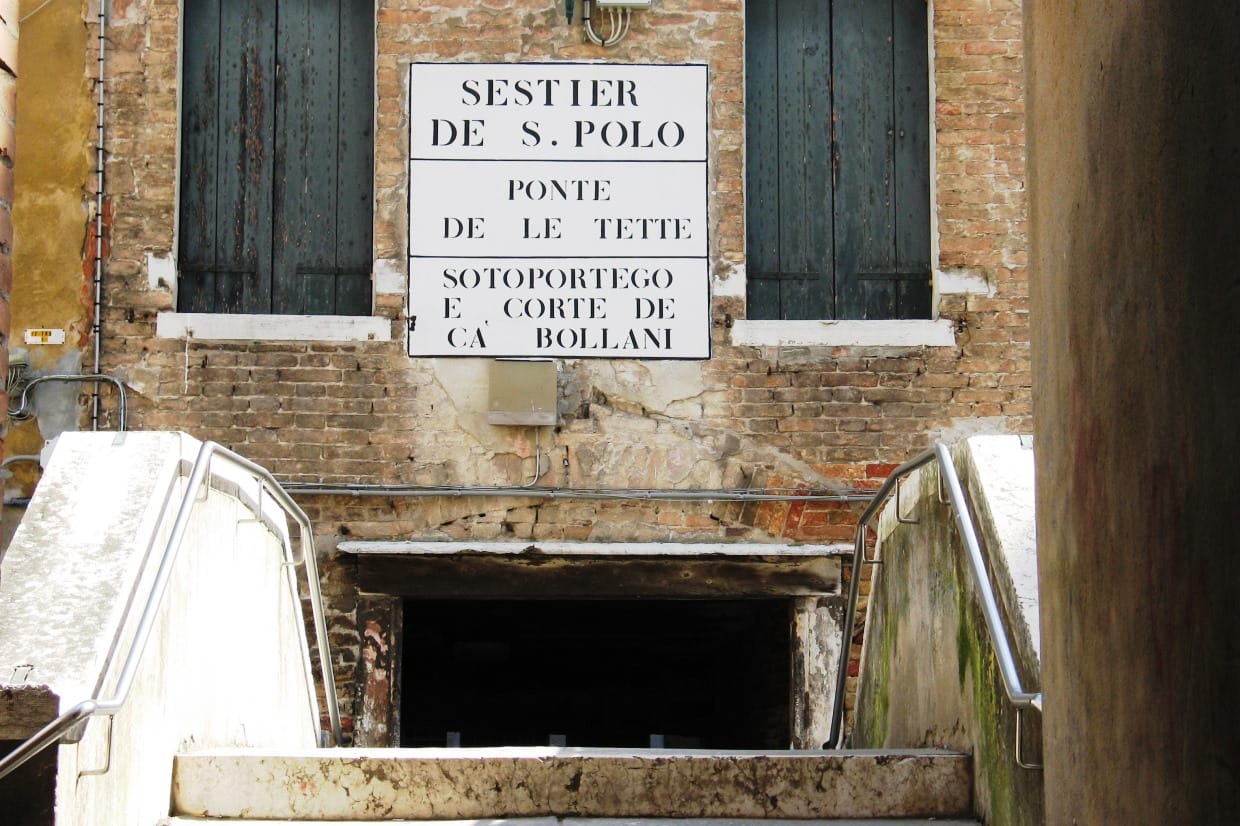
Ponte delle Tette

The “Ponte delle Tette” still exists today, as a reminder of the area that, at the time, was transformed into a true red-light district.

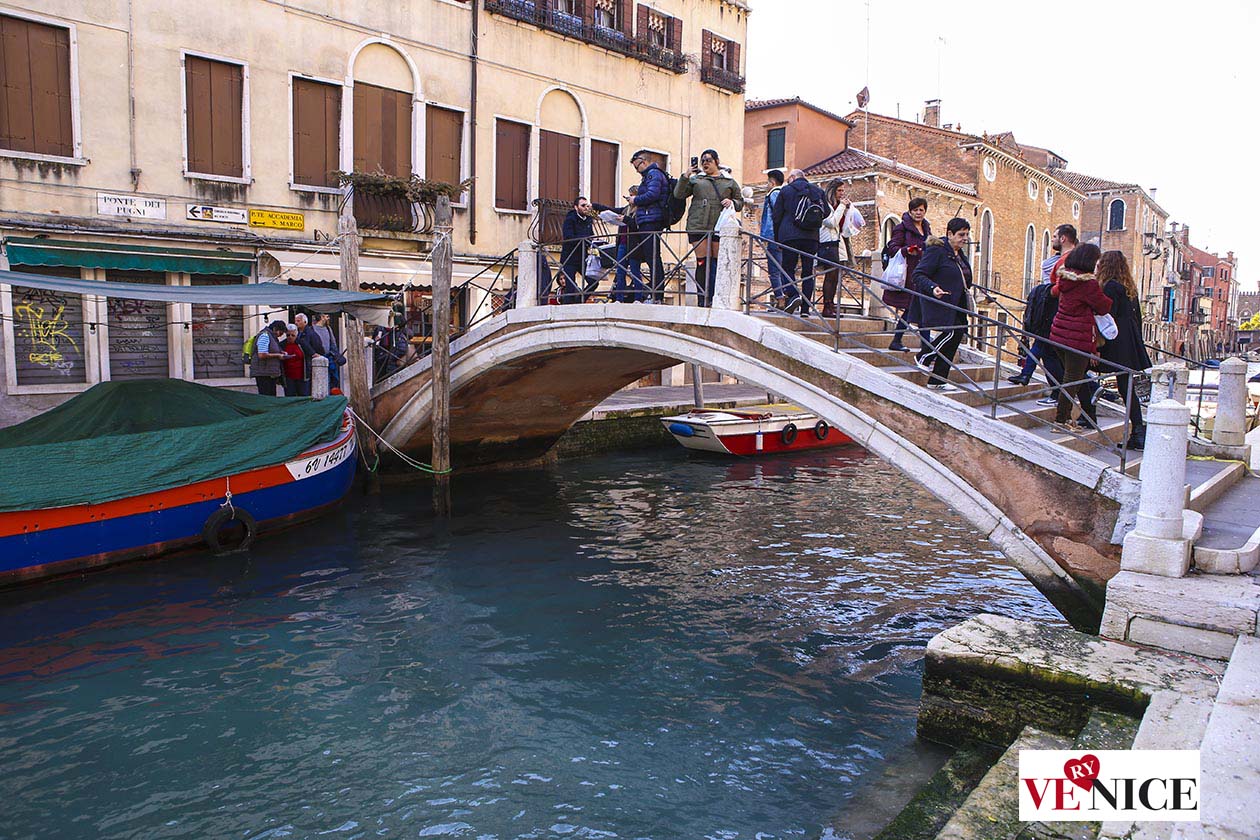
Ponte dei Pugni

The Ponte dei Pugni, also known as the “Bridge of the Sighs of Fists,” remains an iconic symbol of historical Venice.

Acqua Alta Library

On Calle Longa Santa Maria Formosa, you can visit a bookstore that floods every time the canal water rises above a certain level.

Contarini del Bovolo Stairs

A five-story spiral staircase of unique beauty.
It is the staircase of the Contarini del Bovolo Palace, located near Campo Manin, in the San Marco district.

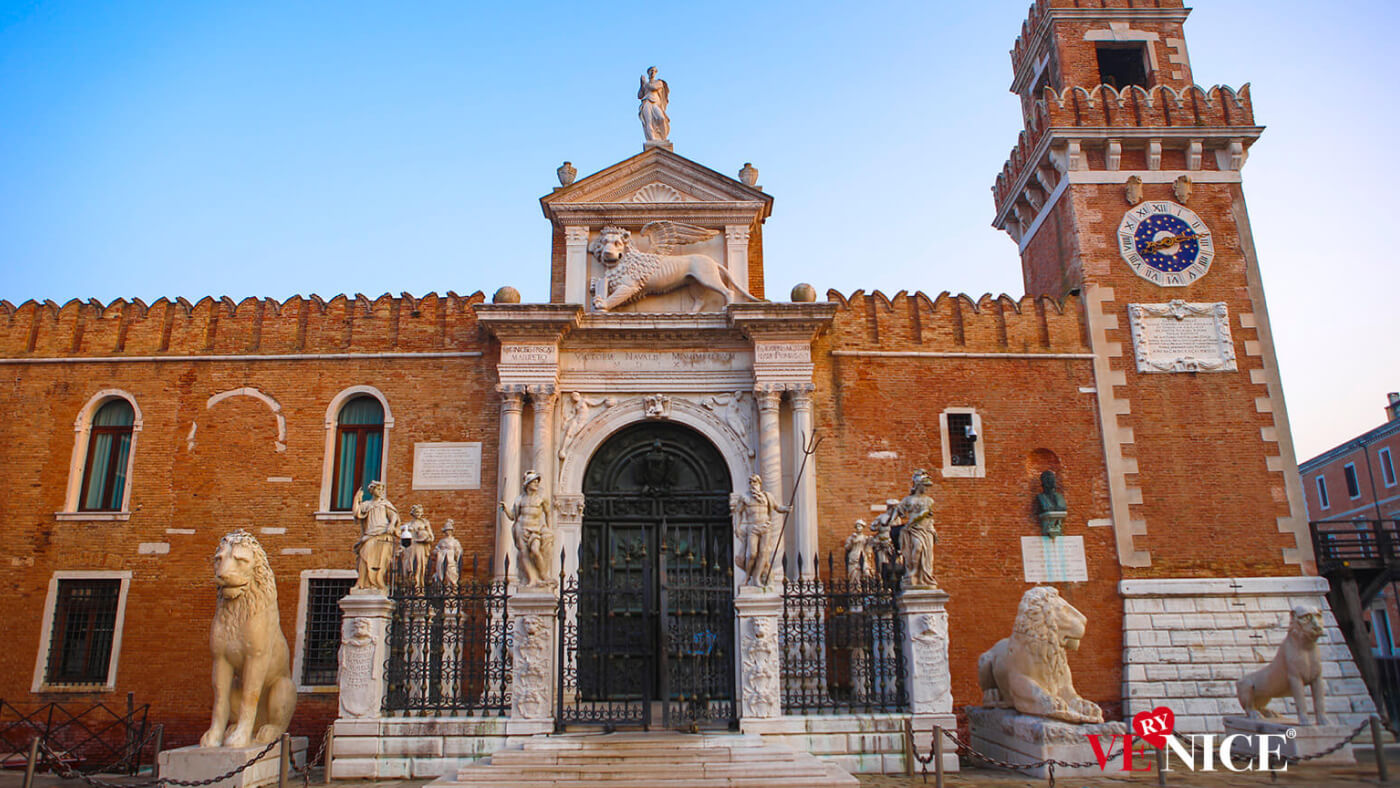
Pireo Lion

These works were brought to Venice from the ancient port of Athens as war spoils in 1687.

The white stone

The White Stone of the Meeting at San Pietro di Castello

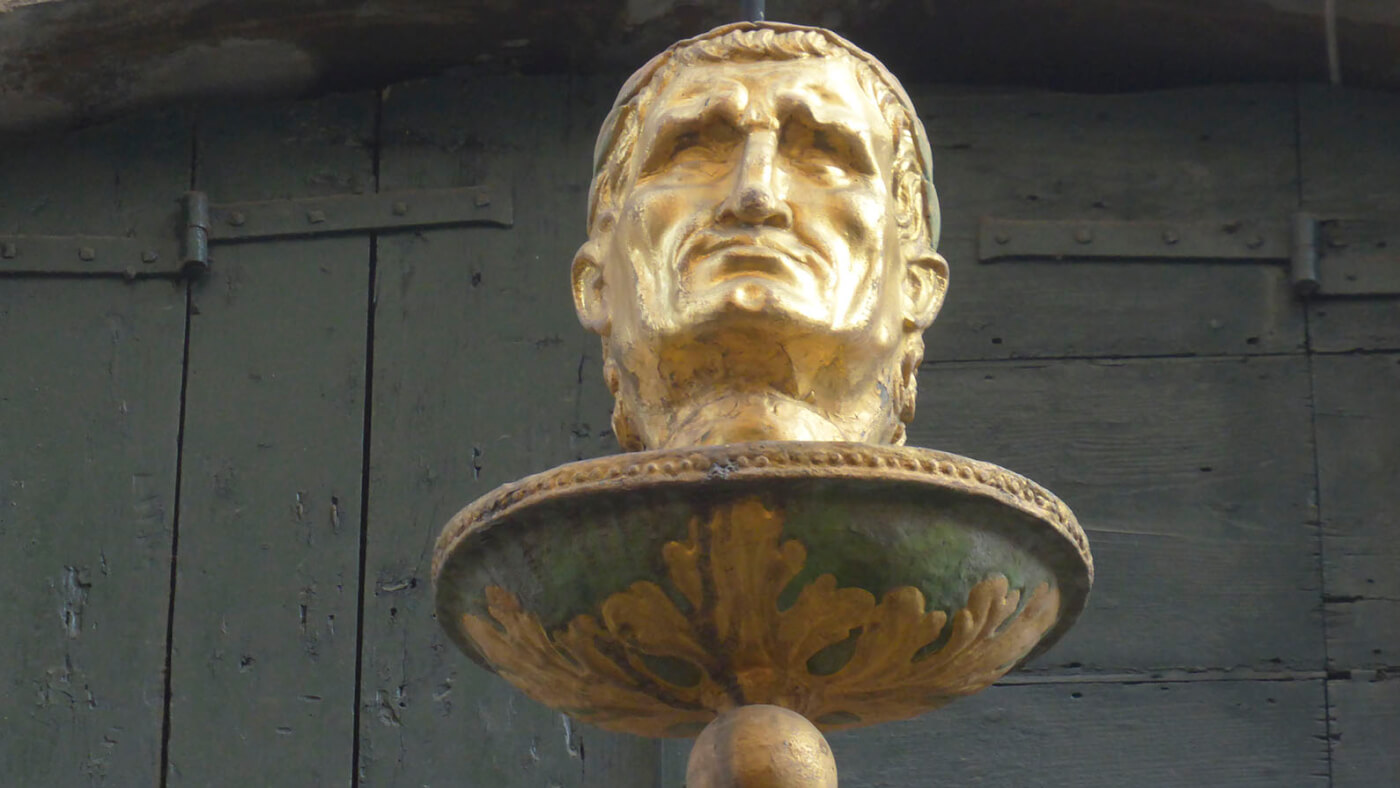
The Golden Head at Rialto

A reminder of where Venice’s most famous apothecary once stood.

La porta della Botte

A door with an unusual shape, widened at the base to allow wooden barrels to be rolled into the cellar.

The Porphyry Lozenge

At this very spot, at the entrance of St. Mark’s Basilica, Emperor Frederick I Barbarossa knelt before Pope Alexander III.

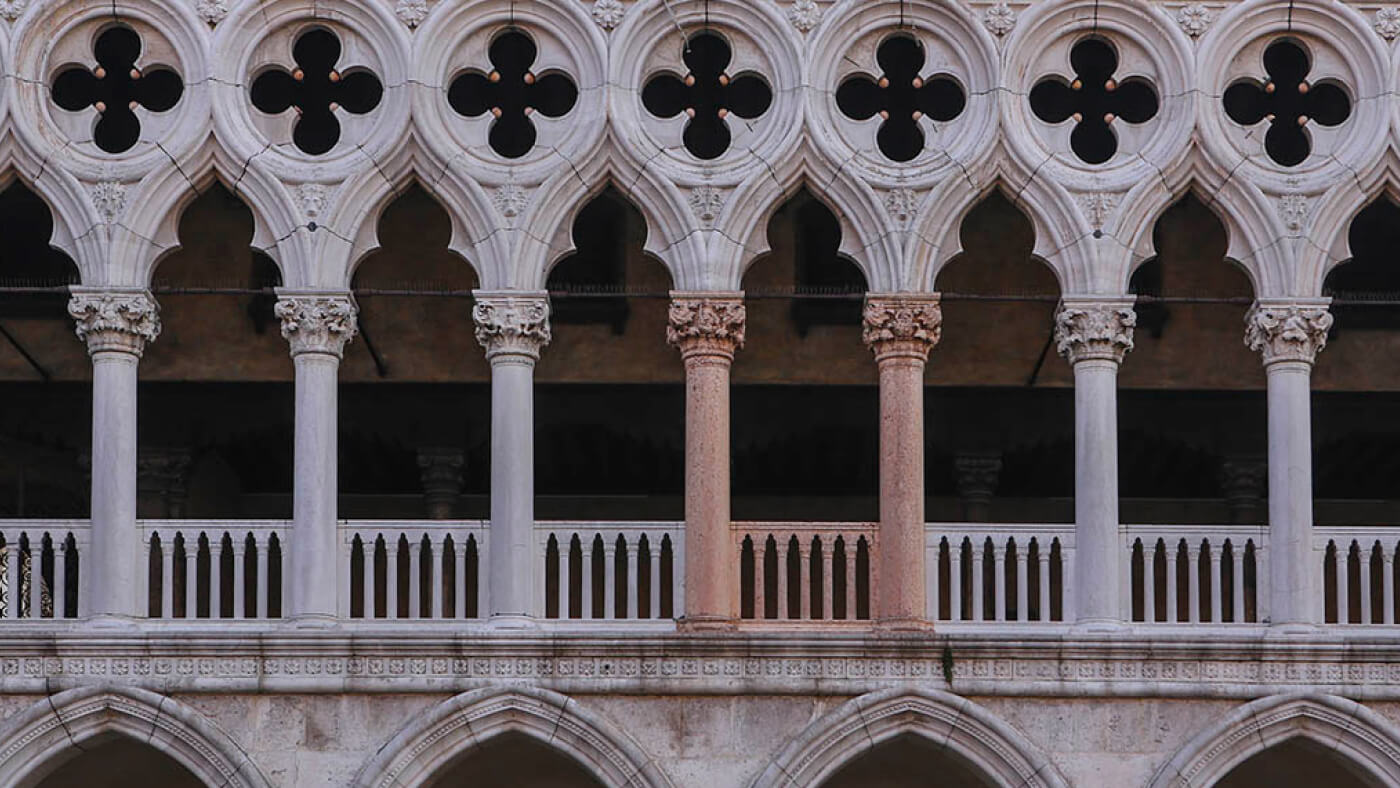
The Capital of Love and Death

The 36 capitals of the lower portico of the Doge’s Palace are true works of art, carved by master stonecutters.

The Barbacano — a model for all.

Protruding wooden beams used to extend the first floor of buildings and allow more space for passage through the calli.

The Foundling Wheel

One of the last remaining foundling wheels in Italy, located on Calle della Pietà, once home to the Church and Monastery of La Pietà.

The Old Lady with the Mortar

A marble relief of an elderly woman holding a vase, with a stone plaque on the ground marked “15 June 1310.”

The shapes of an oyster and a fish

The Church of San Giacometto in Rialto is the oldest church in Venice, dating back to 421 AD:
two outlines — one of an oyster and one of a fish — representing the minimum sizes allowed for sale at the market.

An unusual greengrocer

A floating store that rises and falls with the tide — sometimes by as much as one meter.

The Theriaca

A near-magical potion said to cure all diseases was made in Venice under the supervision of the Health Magistrate and was exported throughout Europe and beyond.

The three flagpoles

The three flagpoles represent the three kingdoms conquered by Venice: Cyprus, Candia and the Morea.

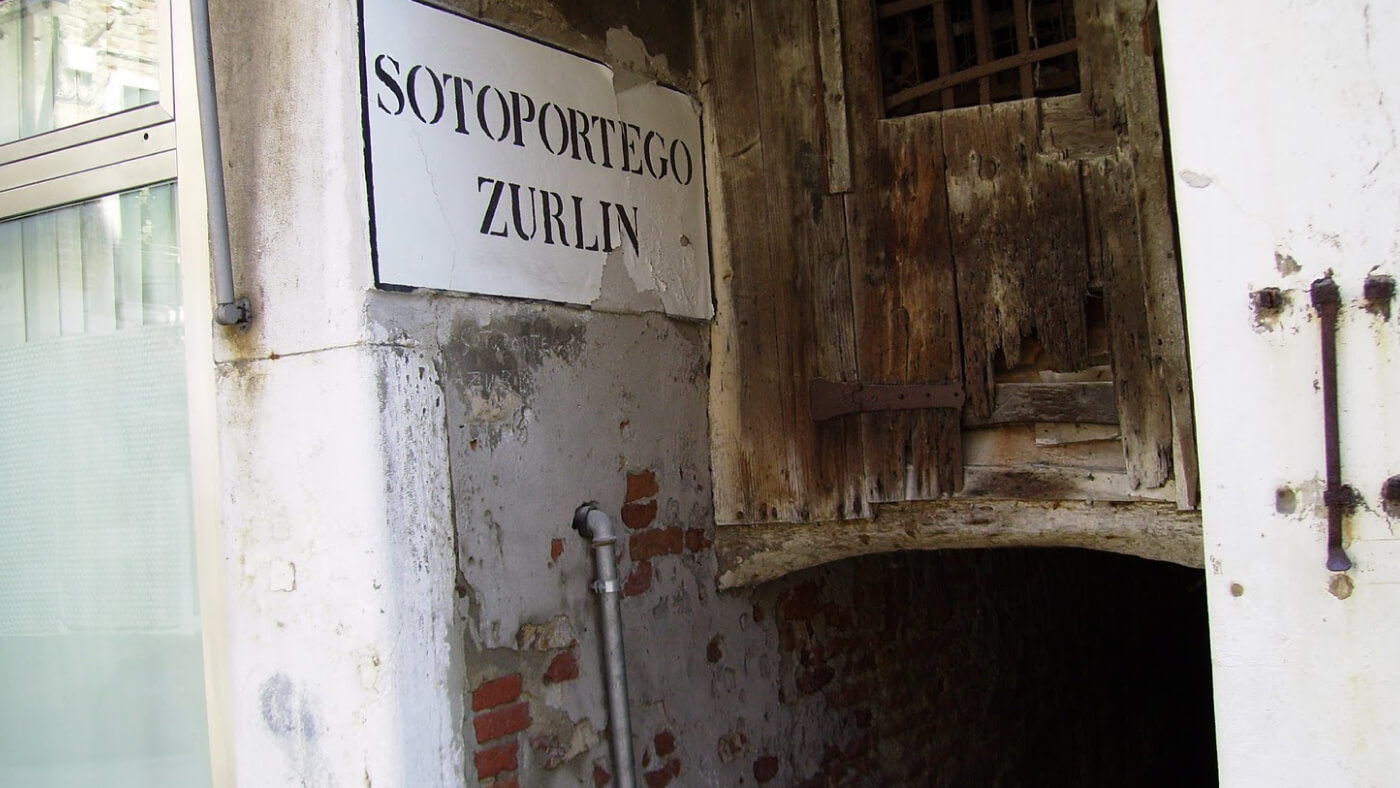
Sottoportego Zurlin

Sotoportego Zurlin — the lowest in Venice, so low you have to crouch to pass through.

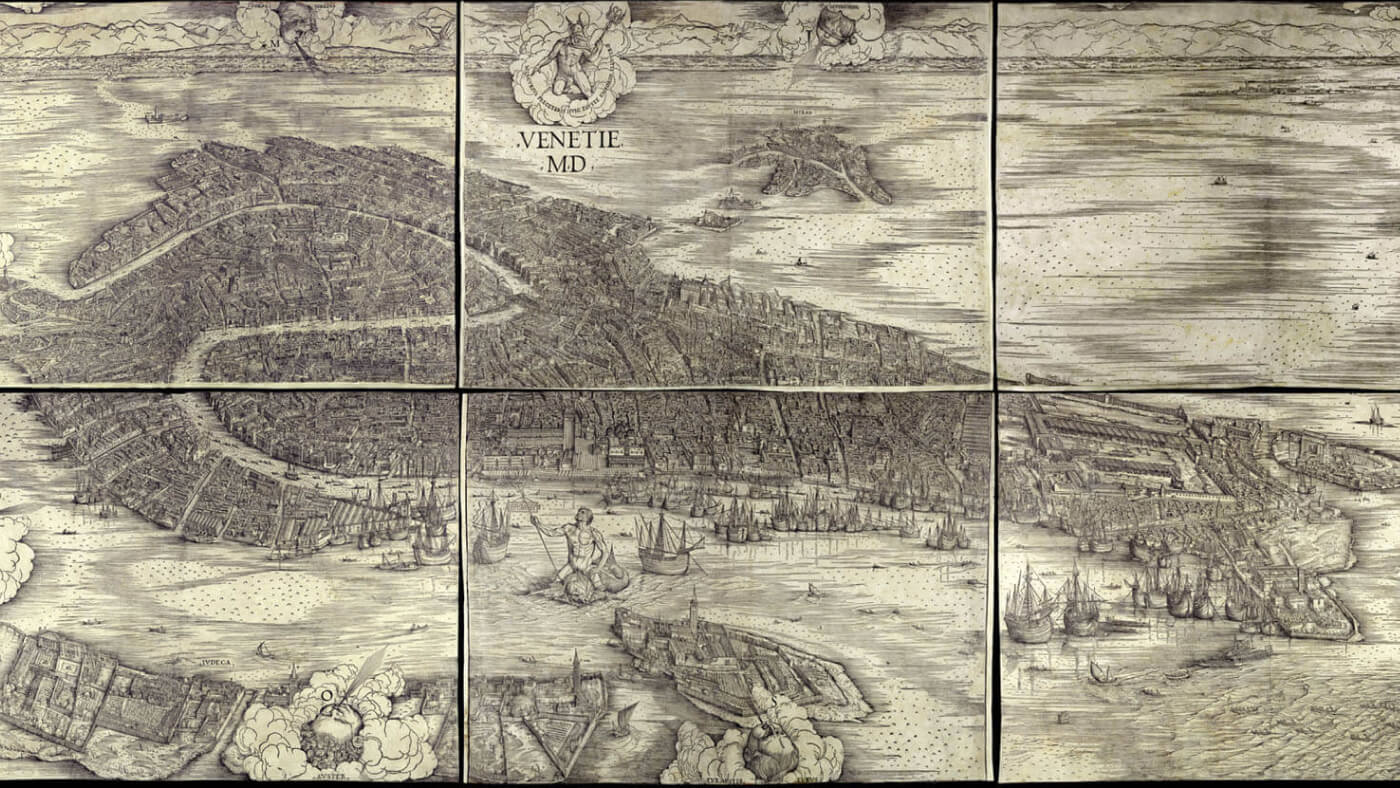
Venetie MD

This is an extremely important work dating back to the 1500s, when architect Jacopo De Barbari created the first detailed map of the city of Venice.

Ponte del Chiodo

The only other bridge with this feature is located on the island of Torcello, where you can admire the much more famous Devil’s Bridge (Ponte del Diavolo) — a twin to Venice’s Ponte Chiodo.

The Squero of San Trovaso

The squero takes its name from “squara,” a tool used by master shipbuilders.